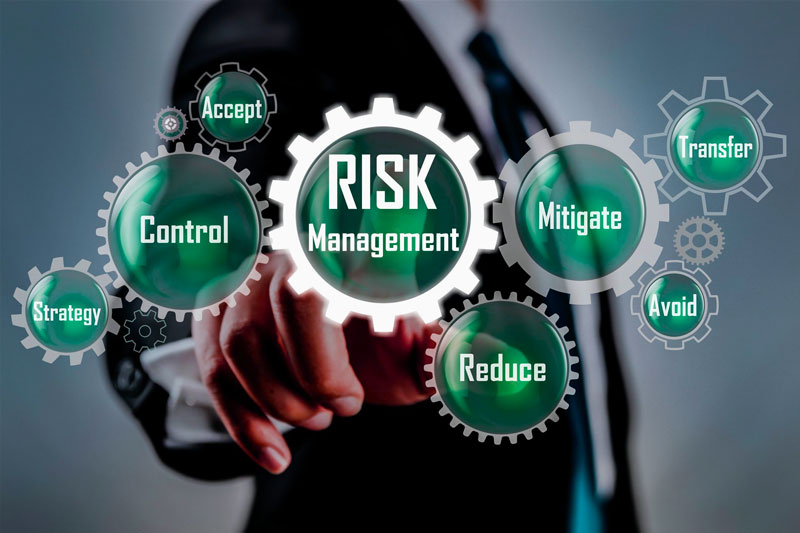
Risk is unavoidable in both personal and professional life. Illness, accidents, property damage, liability claims, and income loss can happen without warning. Risk management isn’t about eliminating uncertainty—it’s about controlling its financial impact. Insurance plays a central role in that process by transferring potential losses away from individuals and organizations.
When used correctly, insurance becomes a strategic tool that supports stability, planning, and long-term resilience.
Understanding Risk Management Basics
Risk management involves identifying potential threats, evaluating their impact, and choosing ways to handle them.
The core risk responses include:
- Avoidance – eliminating the risk entirely
- Reduction – lowering the likelihood or severity
- Retention – accepting manageable risk
- Transfer – shifting risk to another party
Insurance is the primary method used for risk transfer.
How Insurance Fits into Risk Management
Insurance doesn’t prevent losses—it limits their financial consequences.
By paying a predictable premium, you:
- Transfer large, unpredictable losses
- Protect cash flow and assets
- Gain financial certainty in uncertain situations
This predictability allows individuals and businesses to plan with confidence.
Protecting Against High-Impact Financial Losses
Some risks are rare but financially devastating. Insurance is designed specifically for these scenarios.
Examples include:
- Major medical expenses
- Property destruction from disasters
- Lawsuits and liability claims
Without insurance, these events could result in long-term financial damage or insolvency.
Supporting Business Continuity and Stability
For businesses, risk management is closely tied to survival.
Insurance helps businesses:
- Recover quickly after disruptions
- Protect revenue and operational capacity
- Meet contractual and legal obligations
This stability allows companies to take calculated risks without jeopardizing their future.
Balancing Risk Retention and Risk Transfer
Not all risks should be insured. Effective risk management balances what you keep versus what you transfer.
Insurance is best used for:
- Low-probability, high-cost risks
- Losses that exceed emergency reserves
- Events that threaten long-term goals
Smaller, predictable expenses are often better retained.
Reducing Reliance on Debt During Crises
Uninsured losses often force individuals and businesses to borrow under pressure.
Insurance reduces this reliance by:
- Covering large expenses directly
- Preserving savings and credit health
- Avoiding high-interest emergency borrowing
This protection strengthens overall financial resilience.
Enhancing Decision-Making and Confidence
When major risks are insured, decisions become less reactive and more strategic.
Insurance enables:
- Long-term planning without fear of catastrophic loss
- Smarter investment and expansion decisions
- Greater confidence in taking calculated risks
Risk-managed environments support growth, not hesitation.
Insurance as a Long-Term Risk Strategy
Risk changes over time. Assets grow, responsibilities increase, and new exposures emerge.
Effective insurance-based risk management involves:
- Regular policy reviews
- Adjusting coverage as risks evolve
- Aligning protection with long-term objectives
Insurance is not static—it should evolve alongside your life or business.
Common Misunderstandings About Insurance and Risk
Many people misunderstand the role insurance plays in risk management.
Common myths include:
- Insurance eliminates risk entirely
- Minimal coverage is always sufficient
- Price matters more than protection
In reality, appropriate coverage matters more than cheap coverage.
Why Insurance Is Essential, Not Optional
Risk exists whether you plan for it or not. Insurance ensures that risks don’t turn into financial disasters.
As a risk management tool, insurance:
- Converts uncertainty into manageable costs
- Protects long-term financial stability
- Supports recovery instead of collapse
It’s not about fear—it’s about preparation.
Frequently Asked Questions
What type of risk does insurance manage best?
Insurance is most effective for low-frequency, high-severity financial risks.
Can insurance replace other risk management strategies?
No. Insurance works best alongside prevention, savings, and planning.
Is insurance considered risk avoidance?
No. Insurance transfers risk rather than eliminating it.
How often should insurance coverage be reviewed for risk management?
At least annually or after significant financial or life changes.
Does insurance reduce overall risk exposure?
It reduces financial exposure, not the likelihood of events occurring.
Why is underinsurance risky?
Because uncovered losses can exceed savings and disrupt long-term stability.
Is insurance more important for businesses than individuals?
Both rely on insurance, but businesses often face higher and more complex risks.
Insurance is a cornerstone of effective risk management. By transferring the financial consequences of major risks, it allows individuals and organizations to move forward with confidence—prepared for uncertainty without being controlled by it.