When people hear the phrase bad credit, they often think of loan rejections or high interest rates. While borrowing challenges are a major consequence, poor credit reaches much further into everyday life. It quietly influences opportunities, costs, and even personal freedom in ways many don’t expect.
Understanding the broader impact of bad credit is the first step toward protecting yourself and making informed financial decisions.
What Does Bad Credit Really Mean?
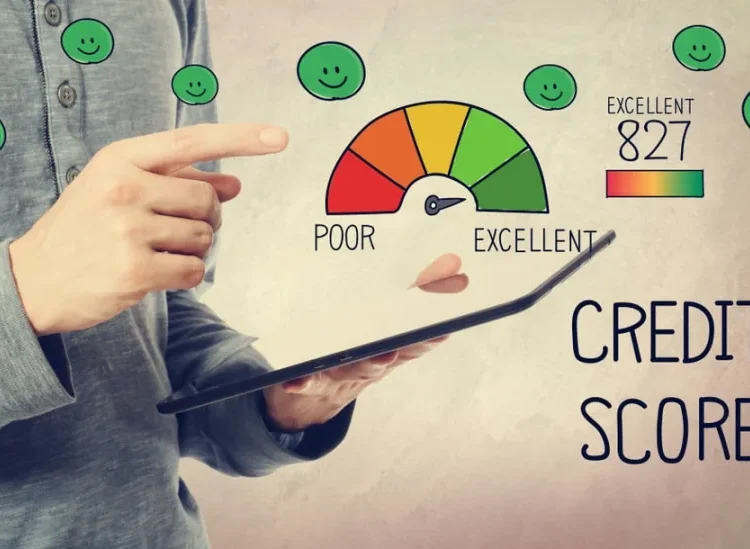
Bad credit typically reflects a history of late payments, high debt balances, defaults, or collections. Credit reports summarize this behavior, while credit scores translate it into a number lenders and institutions use to assess risk.
A low score signals financial unpredictability, which affects far more than borrowing.
Higher Costs for Everyday Essentials
Even when loans aren’t involved, bad credit can make daily life more expensive.
It can lead to:
- Higher insurance premiums for auto or renters insurance
- Increased security deposits for utilities
- Limited access to competitive service plans
Over time, these added costs quietly strain monthly budgets.
Difficulty Renting a Home
Many landlords review credit reports before approving tenants. Poor credit may signal missed payments or financial instability.
As a result, renters may face:
- Application rejections
- Requests for larger deposits
- Fewer housing options
This can force people to settle for less desirable locations or higher rent.
Impact on Employment Opportunities
Some employers review credit reports, particularly for roles involving finances, data access, or management.
Bad credit may:
- Raise concerns about responsibility or reliability
- Reduce chances in competitive hiring situations
- Limit advancement in certain industries
While not universal, credit checks can influence career paths more than expected.
Challenges with Utilities and Service Providers
Utility companies and service providers often assess credit risk when opening new accounts.
Bad credit can result in:
- Upfront deposits for electricity, gas, or internet
- Restricted payment options
- Shorter billing cycles
These barriers add friction when relocating or setting up a new household.
Limited Financial Flexibility During Emergencies
Emergencies don’t wait for credit scores to improve. Poor credit limits access to affordable financial support when it’s needed most.
This often means:
- Reliance on high-cost alternatives
- Fewer short-term options during crises
- Increased financial stress during emergencies
Strong credit acts as a safety net—bad credit removes it.
Strain on Mental and Emotional Well-Being
The effects of bad credit aren’t just financial. Ongoing stress, embarrassment, and uncertainty can take a toll.
Common emotional impacts include:
- Anxiety about unexpected expenses
- Avoidance of financial conversations
- Reduced confidence in long-term planning
These effects can influence relationships and overall quality of life.
Barriers to Long-Term Goals
Major life milestones often depend on financial credibility.
Bad credit can delay or complicate:
- Starting a business
- Moving to a new city
- Achieving homeownership
Even when income improves, credit history can slow progress toward these goals.
Why Bad Credit Has Such Broad Reach
Credit reports are widely used because they offer a quick snapshot of financial behavior. While imperfect, they influence decisions across industries.
This widespread reliance means bad credit:
- Follows you across different life stages
- Impacts opportunities beyond money
- Takes time and effort to rebuild
Recognizing this reach makes credit management more than a financial task—it becomes a life skill.
Frequently Asked Questions
Can bad credit affect things even if I never apply for loans?
Yes. Credit is often reviewed for housing, insurance, utilities, and sometimes employment.
Does bad credit mean I have low income?
No. Bad credit reflects payment history and debt management, not how much you earn.
How long does bad credit stay on a credit report?
Negative items typically remain for several years, depending on the type of issue.
Can paying bills on time improve bad credit?
Consistent, on-time payments are one of the most effective ways to rebuild credit over time.
Will bad credit affect my ability to start a business?
It can, especially if you need financing, leases, or vendor accounts in your name.
Are credit checks legal for jobs and rentals?
Yes, in many regions, though laws vary and consent is usually required.
Is it possible to recover from bad credit?
Absolutely. With time, responsible habits, and monitoring, credit scores can improve significantly.
Bad credit isn’t just a borrowing problem—it’s a life-wide challenge. Understanding its reach empowers you to take control, rebuild trust, and open doors that once felt out of reach.